Jason, James, and Verdify
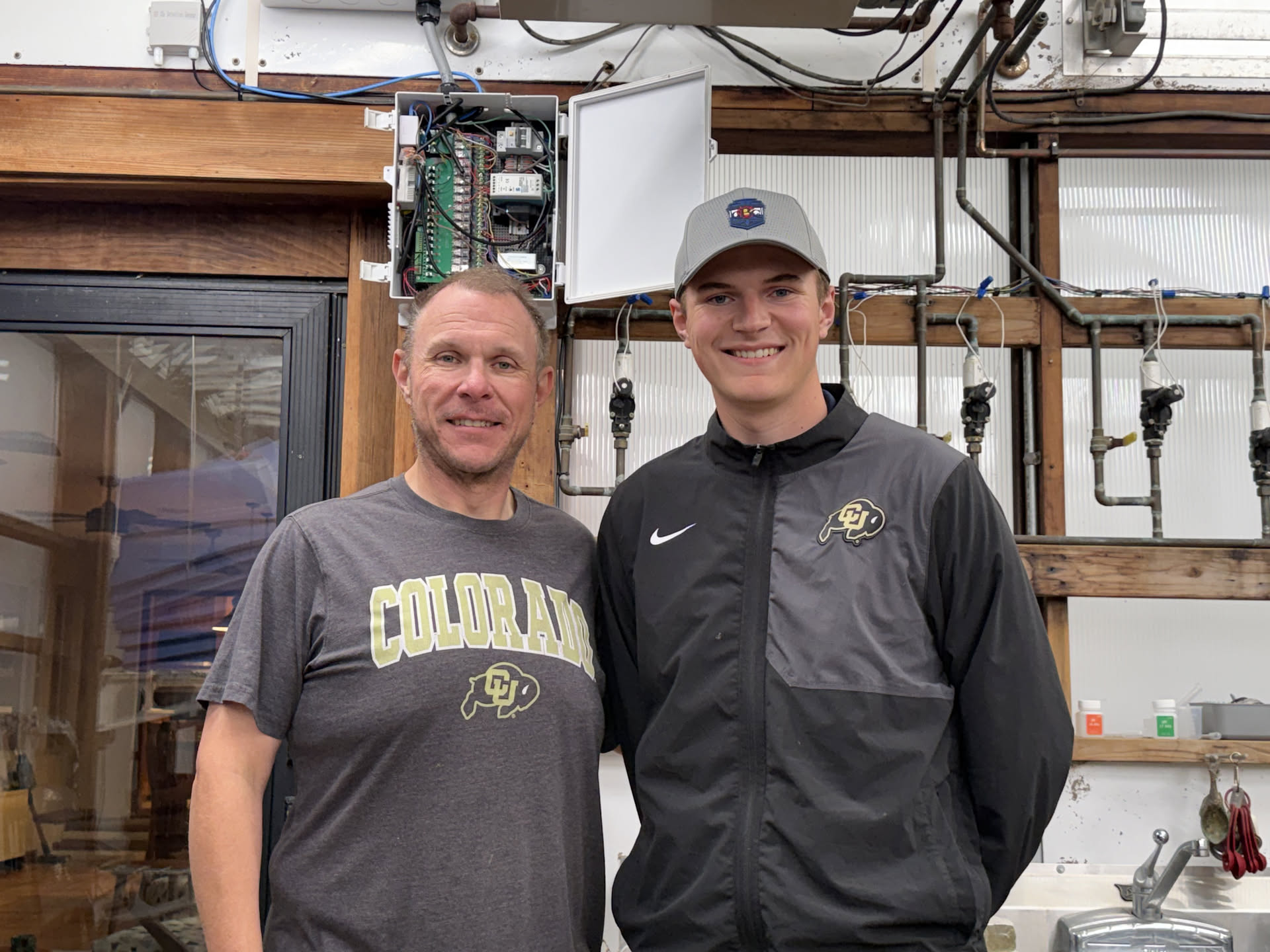
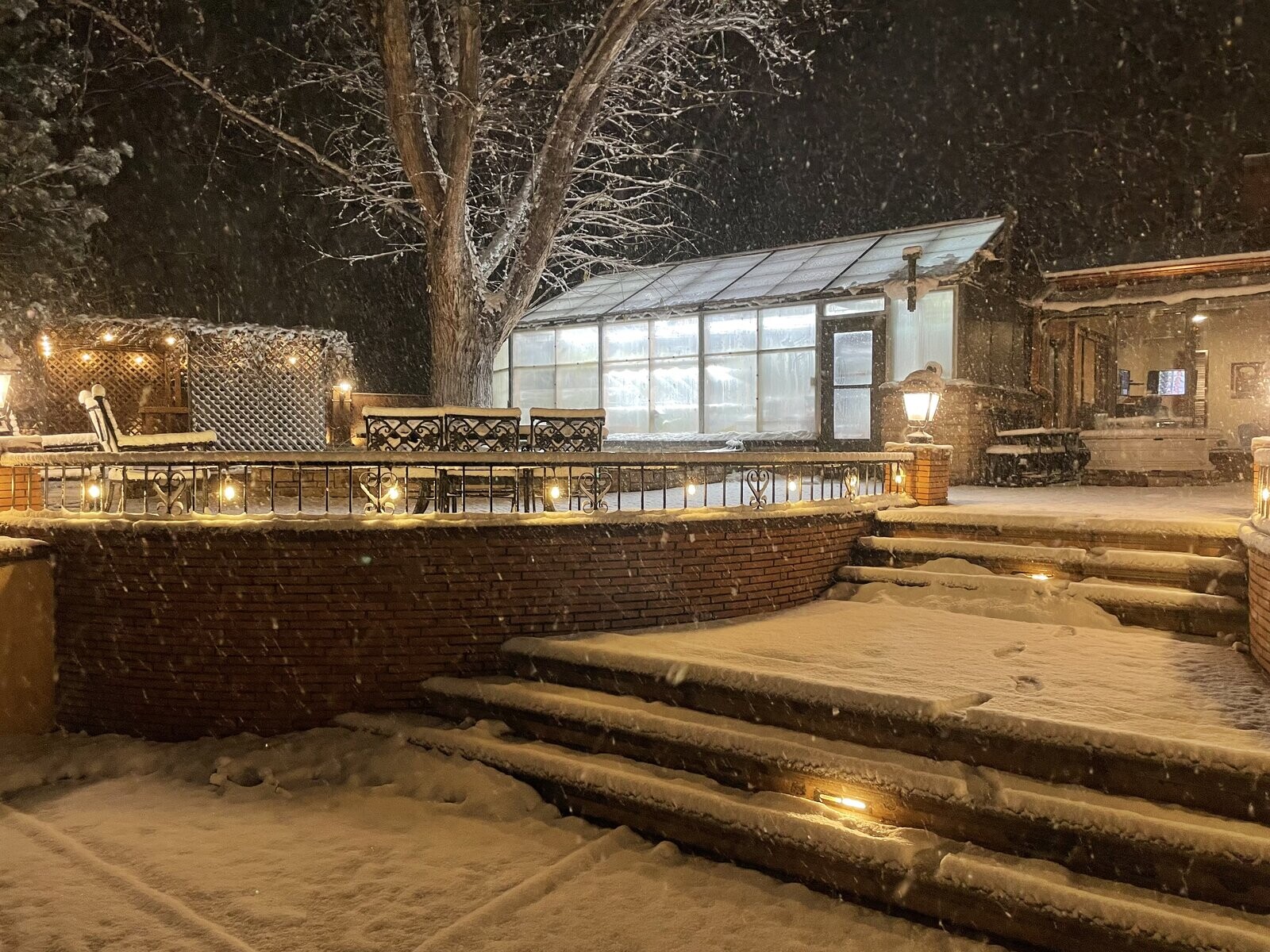
Verdify is a family public lab, not a SaaS landing page. The project began with a 367 sq ft greenhouse in Longmont, Colorado, then grew into a useful test case for local AI, deterministic edge control, and public evidence.
The core question is simple: can an AI planner improve a real greenhouse without becoming the thing that directly controls relays? Verdify answers that by publishing plans, telemetry, scorecards, costs, failures, lessons, and the exact AI-writable tunables that Iris (our OpenClaw AI agent) is allowed to change.
For serious questions, corrections, collaboration, build comparisons, or press, use the contact form.
Physical Colorado greenhouse, not a simulated demo.
ESP32 firmware evaluates the real-time state machine locally.
Plans, scorecards, telemetry, lessons, costs, and known limits are visible.
Routine planning can run through OpenClaw and a local Gemma 4 26B A4B (MoE) vLLM route.
James Vallery
James is a computer science student at the University of Colorado Boulder and a builder with public work across Verdify, hackathon projects, and full-stack software experiments. His public footprint includes software projects, HackCU work, and the Verdify repository.
CU Boulder student building toward practical software, AI tooling, and systems work.
Public GitHub work includes Verdify and other software projects under the jrvallery handle.
Token Gauge tracks AI API spend and was built at HackCU 12 with public Devpost and GitHub artifacts.
Public links:
- James Vallery on LinkedIn
- James Vallery on GitHub
- James Vallery on Devpost
- Token Gauge on Devpost
- TokenGauge GitHub repository
- James Vallery on Instagram
Jason Vallery
Jason Vallery’s public work sits around AI infrastructure, cloud platforms, storage systems, product strategy, and community technology education. Professionally, he works in cloud product leadership at VAST Data. Locally, he is tied into Longmont’s technology community through Longmont NextWave and public AI education efforts.
Verdify is where that background meets a physical system that does not care if the architecture diagram is elegant. If the forecast shifts, the VPD band is wrong, or the controller pushes stale setpoints, the plants and scorecards say so.
Public work around VAST Data, cloud systems, and the data layer behind continuous AI.
Founder of Longmont NextWave and speaker on practical local AI literacy.
Open-source projects, public talks, and practical experiments around AI systems.
Public links:
- Jason Vallery on LinkedIn
- Jason Vallery on GitHub
- Jason Vallery on X
- Jason Vallery on Instagram
- Vallery.net
- Longmont NextWave mission
- VAST Forward speaker profile
- VAST FWD 2026: The Data Layer Behind Continuous AI
- The Coming AI Revolution, City of Longmont
- Jason Vallery on Stack Overflow
The Project
The greenhouse now has climate probes, soil sensors, hydroponic monitoring, energy meters, weather feeds, cameras, and more than 170 Home Assistant entities. Those signals feed a public loop:
Crops define the target climate bands for temperature, humidity, VPD, light, and stress tolerance.
Iris runs through OpenClaw, reads greenhouse context, and writes bounded tactical intent.
The ESP32 firmware owns relay decisions every 5 seconds and keeps safety local.
Telemetry, cost, climate stress, and equipment state become public evidence.
Scorecards and validated lessons feed future planning while noisy raw output stays inspectable.
The separation matters. Iris does not directly flip relays. It writes tactical intent. Firmware enforces safety. Telemetry records what happened. Scorecards judge the result. Lessons feed the next plan.
That is the public claim Verdify is making: every AI plan should become a falsifiable physical hypothesis.
Start Here
- AI Greenhouse Control for the plain-English system overview.
- Planning Loop for how Iris writes plans.
- AI-Writable Tunables for the exact knobs the planner can set.
- Safety Architecture for why the AI does not control relays.
- Local Inference Setup for Cortex, vLLM, and Gemma 4 26B A4B (MoE).
- Slack Operations for the human operations surface.
- Live Evidence for public proof.
- Lessons for what the system has learned.
Press And Media Notes
Verdify is a public, local-first AI greenhouse in Longmont, Colorado. Iris, an OpenClaw agent, writes bounded climate tactics from forecasts, crop bands, telemetry, lessons, and scorecards; an ESP32 controller keeps real-time relay safety local every 5 seconds.
Short description: Verdify is a 367 sq ft Colorado greenhouse used as a public testbed for AI-assisted climate planning. The project publishes plans, telemetry, scorecards, costs, failures, lessons, and known limits so claims can be checked against a physical system.
Editor notes:
- Pronunciation: VER-duh-fy.
- Location: Longmont, Boulder County, Colorado.
- Project posture: personal public lab, not a SaaS launch or commercial greenhouse product.
- Best one-line framing: AI writes tactics, ESP32 controls relays, public telemetry checks the result.
- Contact route: use Contact Verdify and choose
PressorCorrection.
Media assets:
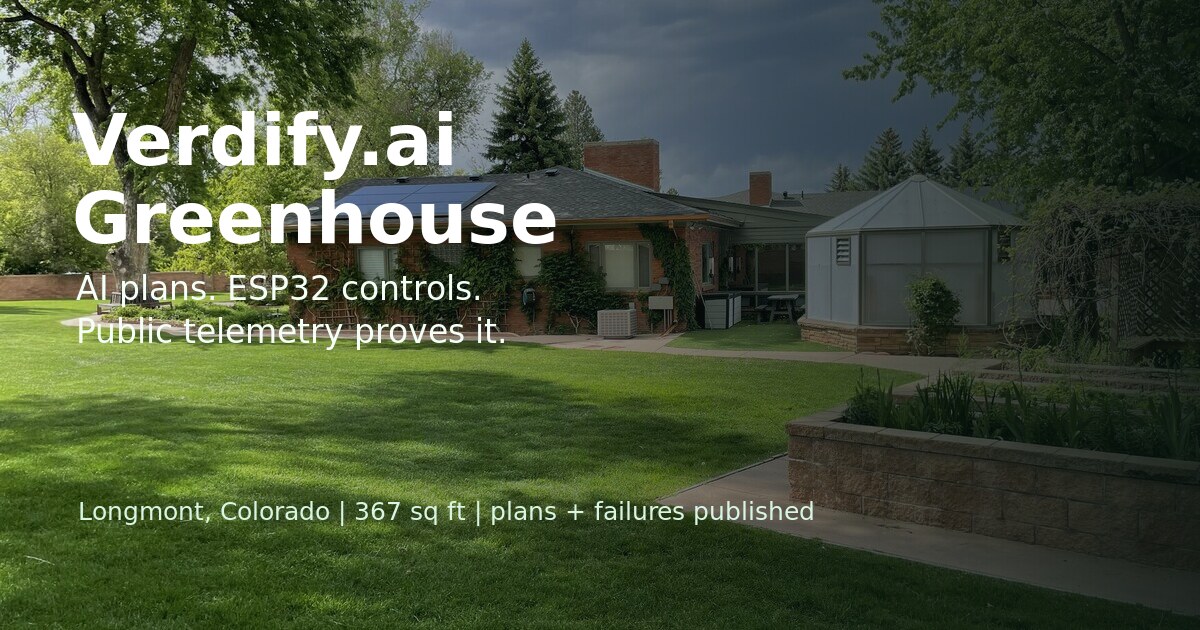
Launch-ready card: local AI greenhouse, ESP32 relay boundary, public telemetry.
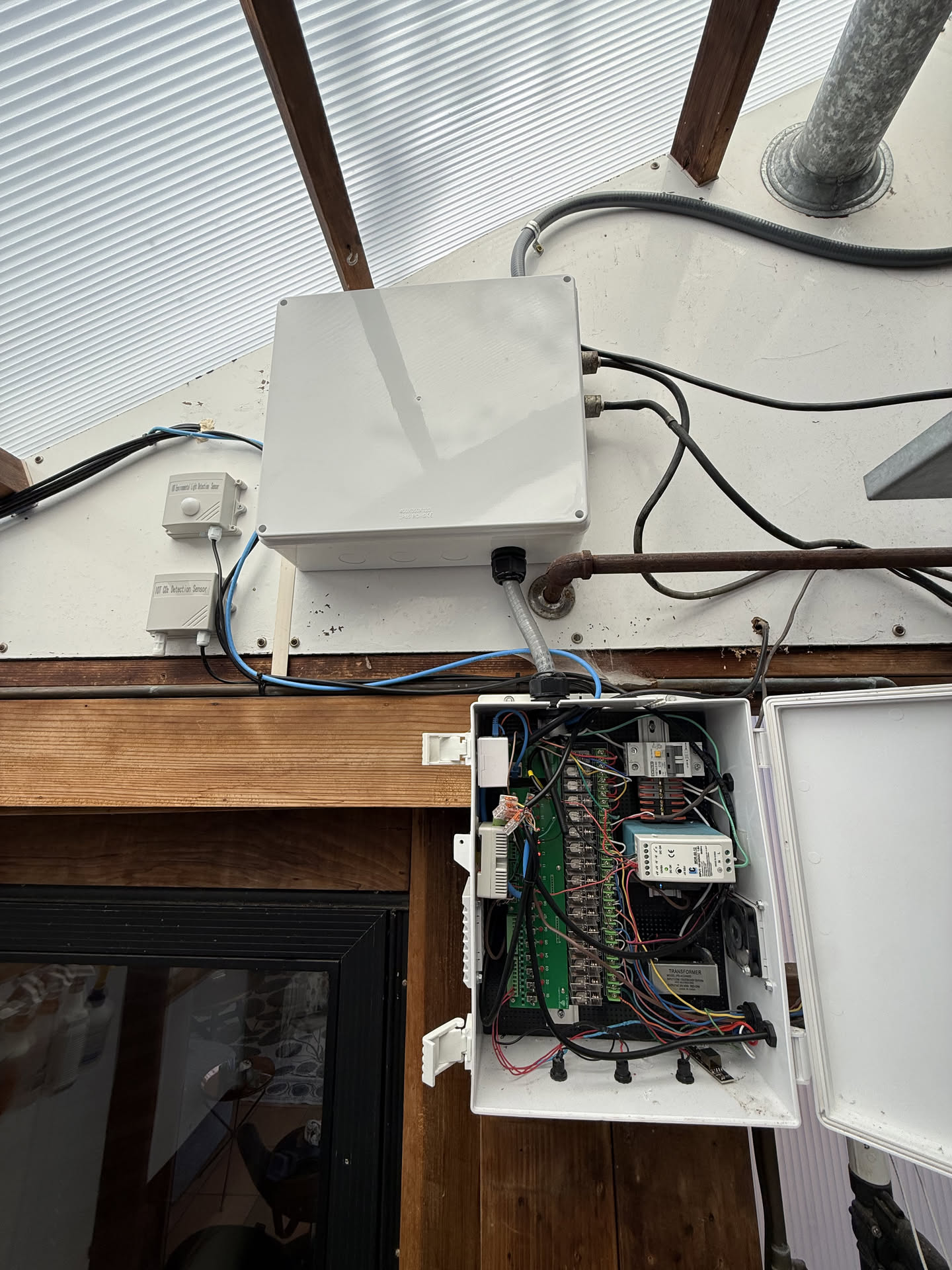
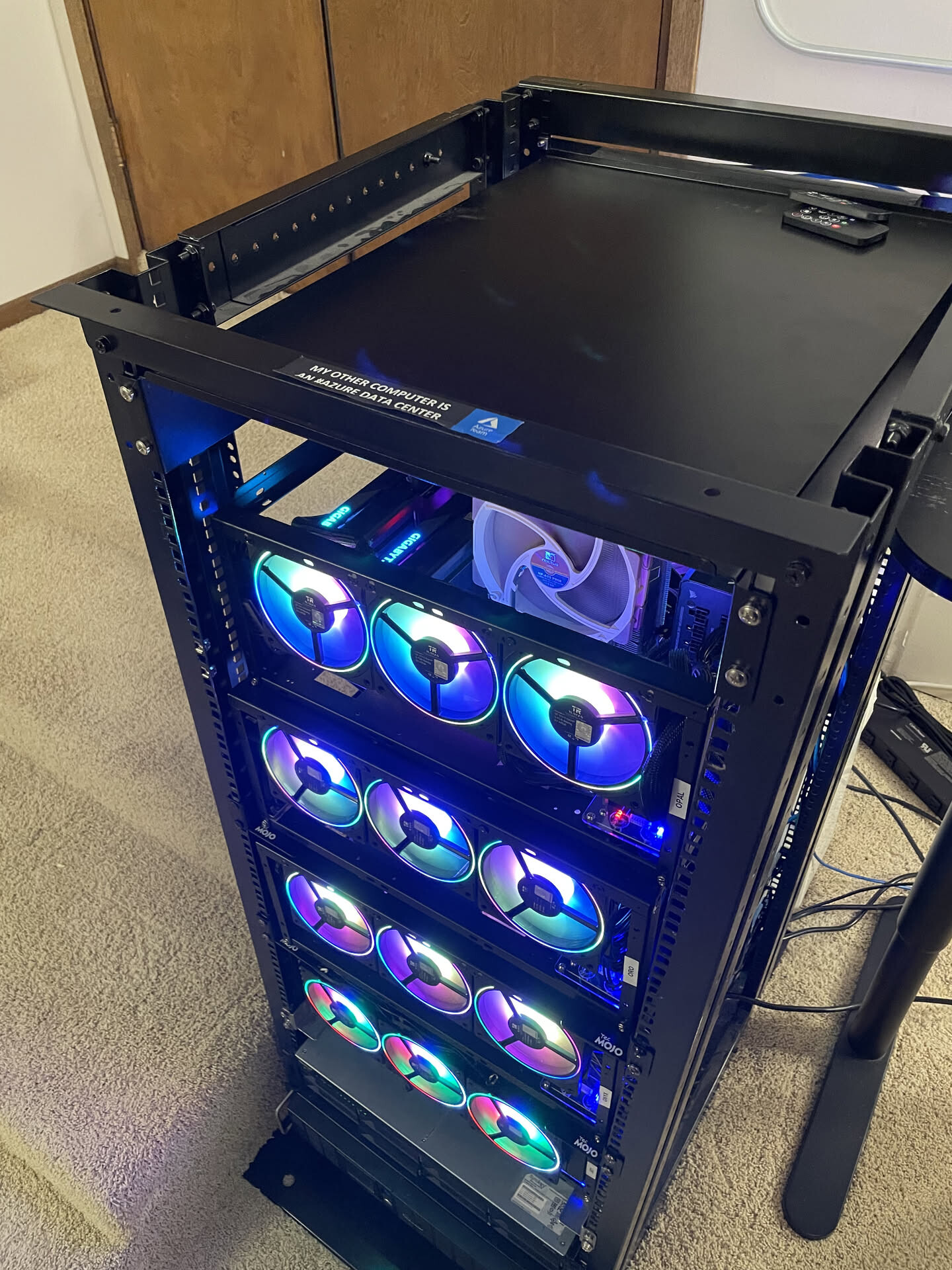
The home-lab GPU rack used for routine local planning events.
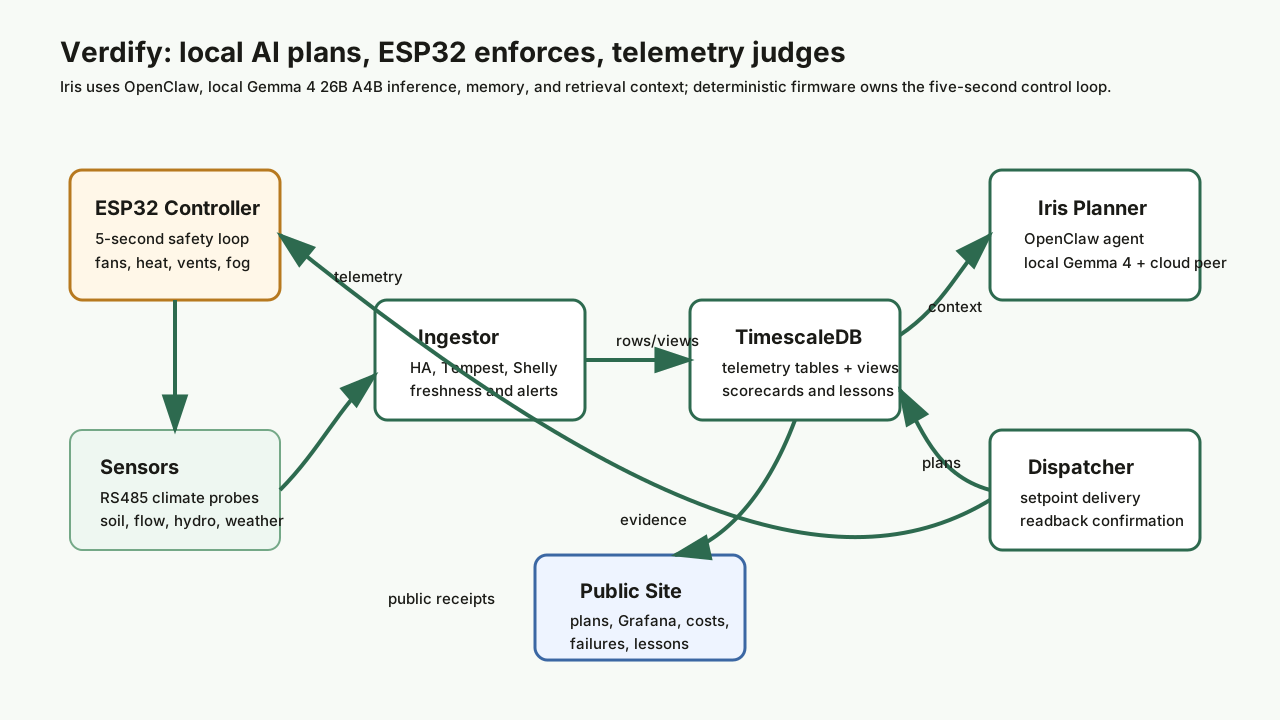
System flow from sensors and planning through dispatcher, ESP32 control, telemetry, and public evidence.
Useful links:
- Homepage
- AI Greenhouse Control
- Safety Architecture
- Planning Loop
- Live Evidence
- Forecast
- Greenhouse Cameras
- Contact
For corrections, use the contact form and include the page URL plus the specific claim or data point that needs review.